Creating the Ideal Custom Vegetable Boxes: A Methodical Approach
Designing custom produce boxes demands a strategic approach. Specialists must examine sustainability, practicality, and visual appeal. Selecting the right components is vital for preserving quality and supporting environmentally conscious methods. Furthermore, size and configuration can significantly influence usability and transport effectiveness. Compelling graphics strengthen company identity, while detailed assessment ensures longevity. Grasping these components will uncover key understanding into creating exceptional container strategies that appeal with customers. What comes next is vital to accomplishing those targets.
Selecting the Appropriate Supplies for Custom Produce Boxes
When selecting materials for custom produce boxes, it is vital to examine both practical use and environmental consideration. The selection of material substantially shapes the box's durability, weight, and ability to protect the contents. Common materials include corrugated cardboard, which offers strength and is recyclable, making it a popular choice for environmentally conscious businesses. Compostable options, such as molded pulp or plant-based plastics, also correspond with sustainable practices while providing adequate protection for delicate produce.
In addition, moisture resistance is indispensable for sustaining product quality, prompting some producers to explore conditioned compounds or tailored protective barriers. The visual quality of the box requires attention, as branding and visual presentation can sway consumer perception. Ultimately, the right material should strike a balance between safeguarding products, appealing to customers, and adhering to environmental standards, making sure that effectiveness and environmental consciousness are stressed in the planning phase.
How to Identify the Right Size and Shape for Functionality?
When choosing the dimensions and form of custom produce boxes, thorough evaluation of produce dimensions is essential for proper storage. Additionally, considerations for handling and transport can impact the box structure, guaranteeing ease of movement. Maximizing shelf space usage further enhances functionality, enabling efficient display and storage.
Examine Produce Dimensions Carefully
Determining the proper size and shape for vegetable containers is important for functionality and efficiency. Careful measurement of produce dimensions is necessary, as it makes sure that items fit firmly without extra room that might create damage during warehousing and delivery. Made-to-order containers need to handle multiple shapes, from tender fruits to large vegetables, while keeping robustness. Additionally, the length and depth of the boxes should allow for proper layering and inventory control, making the best use of space in warehouse spaces. A quality-built box not only preserves the produce but also enhances market presentation for end customers. Ultimately, meticulous planning of dimensions supports waste prevention and enriching customer journey in the product distribution.
Review Handling and Transport Practices
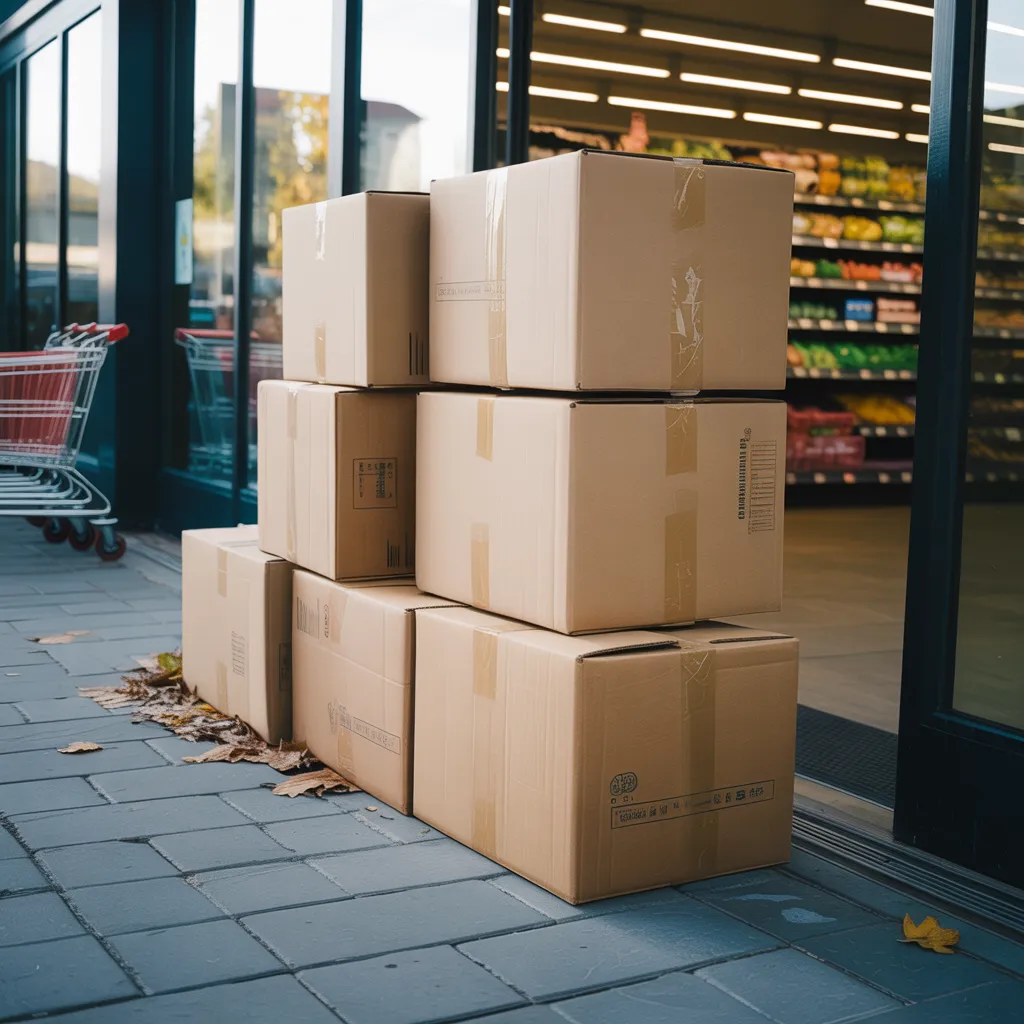
Handling and logistics factors play a significant function in determining the appropriate size and contour of tailored produce boxes. The dimensions must accommodate the produce without excessive space, which would result in movement and deterioration during transit. Compact boxes provide easier care, whereas bigger containers could become vital when handling oversized goods. Additionally, proper ergonomics proves critical; grip areas or access ports must be deliberately placed to allow for comfortable hoisting combined with moving. The configuration that makes up the packaging likewise influences stacking along with stability, ensuring that products keep secure. In conclusion, thoughtful review pertaining to these considerations boosts the streamlining of shipping, minimizes goods loss, and supports the overall integrity concerning the agricultural goods from orchard to purchaser.
Improve Shelf Space Optimization
Maximizing shelf space usage depends on picking the correct proportions and design of specialized agricultural containers. Planners should assess the size specifications of the storage systems as well as the categories of produce being placed. Rectangular boxes often boost space efficiency, permitting for more straightforward stacking and alignment. In contrast, non-standard forms can boost visual appeal but may create unused space if not strategically planned.
It's necessary to examine the inventory turnover rate; rapidly-moving items might profit from smaller, conveniently positioned boxes. Likewise, adopting adjustable or flexible frameworks can facilitate different sizes of items while maximizing shelf organization. By emphasizing practicality with visual appeal, businesses can fashion a functional and visually compelling presentation that elevates both product access and market presence.
How to Create Graphics That Capture Interest?
Impactful designs can convert a modest custom produce box into a visual masterpiece that attracts regard. To succeed this, creative professionals should start by choosing a color palette that reflects the freshness and vibrancy of the produce. Vivid, visually striking colors can stir emotions of freshness and fitness, driving consumers to take a extended glance.
Bold typography is also essential; readable typefaces can effectively communicate key details while boosting visual appeal. In addition, employing high-quality images of the produce can learn about this form instant engagement, showcasing the item's caliber and compelling prospective customers.
In addition, integrating unique patterns or illustrations can assist in distinguishing the brand in a crowded market. Consistency in design elements, such as logos and taglines, supports brand identity. Ultimately, a blend of artistic vision and straightforwardness in graphic design can substantially improve the impact of custom produce boxes, making them stand out on shelves.
Eco-Friendly Practices for Custom Produce Box Packaging Solutions
A mounting count of businesses are adopting environmentally responsible standards for custom produce box packaging, recognizing its relevance in today's ecologically aware market. These practices often include the use of degradable materials, such as recycled paper and plant-based plastics, which curtail environmental impact. Companies are also zeroing in on sustainable sourcing, verifying that materials are obtained from responsibly managed forests or suppliers who prioritize environmental stewardship.
Furthermore, numerous brands are going with minimalist styles that minimize waste while still effectively highlighting their products. This method not only resonates with eco-aware consumers but also helps in lowering production costs. Moreover, businesses are increasingly applying efficient manufacturing processes that limit energy consumption and waste generation. By incorporating these eco-friendly practices, companies not only boost their brand image but also contribute positively to the planet, aligning their operations with a sustainable future.
Evaluate Your Custom Produce Box Format
Assessing the design of custom produce boxes is a important stage in verifying they meet both aesthetic and operational specifications. This process typically entails reviewing factors like durability, size, and usability. First, test versions need to be created to evaluate the container's structural integrity, ensuring it is able to endure delivery and warehousing without compromising the items.
Afterwards, performance tests can be undertaken to figure out how without difficulty the boxes can be accessed, closed, and nested. Opinions from likely users can be invaluable in this juncture, revealing viewpoints into the box's practicality.
In addition, the design's aesthetic value should be tested through focus groups or surveys, analyzing consumer reactions to branding features, color selections, and overall presentation.
Ultimately, extensive testing enables designers to refine the box, ensuring it not only appeals to customers but also properly safeguards and showcases the produce within, maintaining the right balance between form and function.
Effectively Marketing Your Custom Produce Boxes
Effective advertising of custom vegetable containers calls for a strategic approach that highlights their unique features and benefits. Businesses should prioritize identifying their intended customers, whether they are local farms, grocery stores, or individual consumers. Harnessing social networking sites can amplify market visibility, displaying the boxes' design and practicality through engaging visuals and storytelling.
Moreover, partnering with local influencers or farmers can improve credibility and broaden audience. Offering special deals or reduced prices during seasonal peaks can draw initial customers and promote ongoing purchases.
Additionally, highlighting environmental responsibility and green practices in promotional content can resonate with eco-aware buyers. Providing comprehensive details about material composition and the advantages of tailored packaging solutions can better distinguish the offering in a competitive market.
In the end, a extensive marketing strategy that merges digital and grassroots efforts will effectively promote custom produce boxes, engaging a diverse clientele and increasing sales.
Frequently Asked Questions
What Are the Expenses Connected With Custom Produce Box Creation?
Costs concerning custom produce box design contain materials needed, print production, work hours, and shipping. Also, design consultation and minimum order quantities can shape total costs, creating different pricing structures based on individual specifications and manufacturing scale.
What Period Is Needed to Generate Custom Boxes?
Manufacturing of tailored boxes typically requires two to six weeks. Key factors affecting this schedule encompass design intricacy, sourcing of materials, and production capacity, all of which can influence shipping timelines and delivery windows.
May I Purchase a Compact Shipment of Made-to-Order Produce Boxes?
Yes, small quantities of tailored vegetable containers can generally be ordered. Many suppliers provide base order requirements, enabling businesses or individuals to acquire customized packaging options without having to pledge to substantial volumes initially.
Which Common Missteps Should Be Avoided in Tailored Box Design?
Typical errors in custom box design encompass neglecting functionality, ignoring brand consistency, undervaluing material quality, not considering target audience preferences, and overlooking environmental impact. Each aspect is essential for effective packaging and customer satisfaction.
What Precautions Should I Take to Confirm My Boxes Are Food-Safe?
To verify boxes maintain food-safe status, individuals must choose compounds certified for food contact, avoid dangerous inks and adhesives, sustain cleanliness during production, and regularly test for compliance with health regulations and safety standards.